



POSTED
December 27, 2025
How to Evaluate Renewable Energy Projects Before Investing

Renewable energy investing has moved from exclusive institutional territory into the mainstream, with opportunities now accessible to accredited and even non-accredited investors. However, not all renewable energy projects offer equal potential. For investors considering renewable energy projects—particularly utility-scale solar installations—understanding how to evaluate these opportunities before committing capital is essential. This guide walks through the […]

Renewable energy investing has moved from exclusive institutional territory into the mainstream, with opportunities now accessible to accredited and even non-accredited investors. However, not all renewable energy projects offer equal potential. For investors considering renewable energy projects—particularly utility-scale solar installations—understanding how to evaluate these opportunities before committing capital is essential. This guide walks through the critical factors investors should assess, from project lifecycle and financial metrics to technical considerations and warning signs that suggest caution.
Understanding the Renewable Energy Project Lifecycle
Renewable energy projects progress through distinct stages, each carrying different risk profiles and return potential. Understanding where a project sits in this lifecycle helps investors set appropriate expectations.
Development stage projects have secured land rights and begun permitting and interconnection processes, but major approvals remain pending. This represents the highest-risk phase, as projects may fail to secure necessary permits or face interconnection challenges. However, development-stage projects also offer potentially the highest returns, as successfully navigating this phase creates substantial value. Key milestones include securing a favorable interconnection queue position, completing environmental assessments, and obtaining preliminary local approvals.
Pre-construction or shovel-ready projects have cleared major regulatory hurdles—permits approved, interconnection secured, and often a power purchase agreement signed or highly likely. Much of the development risk has been eliminated, though execution risk remains. These projects typically offer moderate risk with strong return potential.
Construction stage involves active build-out with capital deployed. Risk declines further, but execution risks remain—delays, cost overruns, or supply chain disruptions can affect returns. Operational stage projects are online and generating revenue, representing the lowest-risk phase with the most predictable returns.
Each stage offers different risk-return profiles. Development-stage investments suit investors comfortable with higher risk for potentially higher returns, while operational projects appeal to those prioritizing stability and income.
Critical Financial Metrics to Evaluate
Power Purchase Agreement structure represents perhaps the most critical factor. A PPA is a long-term contract—typically 15 to 25 years—where a utility, corporation, or other entity agrees to purchase electricity at a predetermined price. This contracted revenue transforms renewable projects into predictable cash flow generators. Investors should assess who the offtaker is and their creditworthiness. A PPA with a major utility carries far less risk than one with a smaller, unrated entity. Contract length and pricing structure (fixed versus escalating) significantly affect revenue predictability.
Project economics require examining several interconnected metrics. Levelized Cost of Energy (LCOE) represents the average cost of generating electricity over a project’s lifetime. According to Lazard’s 2023 analysis, utility-scale solar LCOE ranges from $29–$92 per MWh unsubsidized, making it cost-competitive with conventional generation. Internal Rate of Return (IRR) expresses expected annual return on investment. According to Phoenix Strategy Group, solar projects typically target IRRs ranging from 6–12% depending on stage, structure, and risk profile. Capacity factor—actual output versus theoretical maximum—typically runs 20–30% for solar projects. Investors should understand the assumptions underlying all projections, as historical returns don’t guarantee future performance.
Capital structure and financing significantly affect investor returns. Renewable projects typically use 60–80% debt financing given predictable cash flows from long-term PPAs. Tax equity investors frequently participate to monetize federal tax credits, though recent policy changes may affect these structures. Verify that project financing is secured or highly probable before investing.
Operating costs for solar typically run $15–$25 per kilowatt annually, covering monitoring, inspections, cleaning, and repairs. Equipment warranties—solar panels typically carry 20–25 year performance warranties, inverters 10–15 years—provide important protection. Understanding projected O&M assumptions and whether they’re realistic matters for long-term returns.
Technical and Operational Considerations
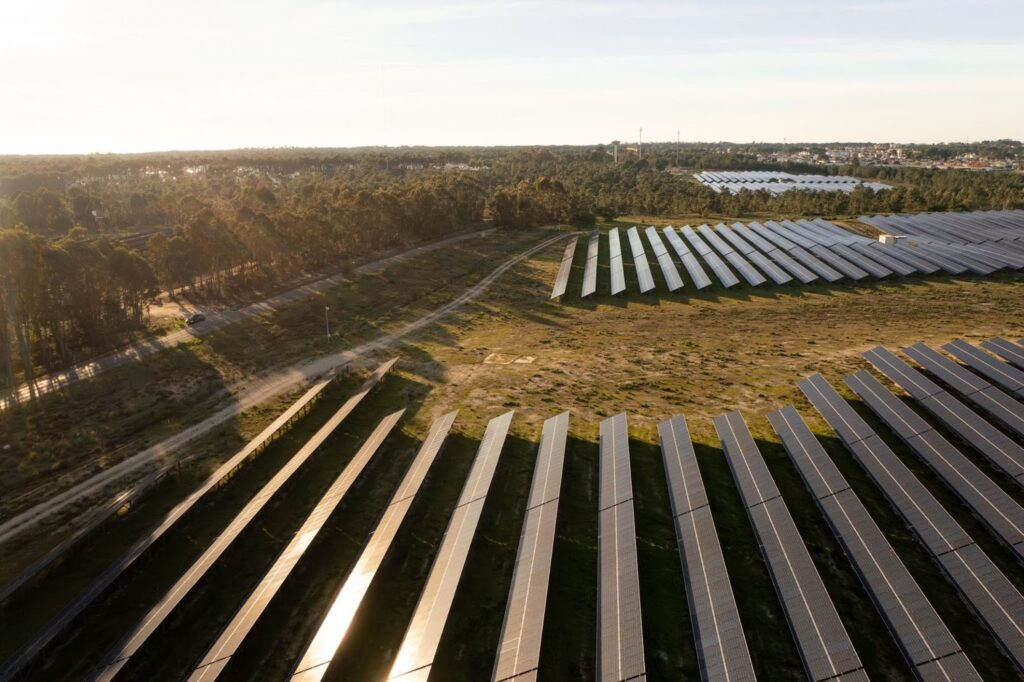
Resource assessment forms the foundation of any solar project. Solar irradiance varies significantly by geography and directly affects energy production. According to Carbon Collective’s analysis, robust assessments use multiple years of on-site measurements or high-quality satellite data. Investors should ask how resource data was collected, over what time period, and whether independent engineers validated assumptions. Poor resource assessment represents one of the most common causes of project underperformance.
Technology and equipment quality directly impact long-term performance. Solar panel specifications—efficiency, degradation rates, manufacturer reputation—affect output over decades. Tier 1 manufacturers with established track records provide greater confidence than unknown entities that may not honor long-term warranties. Inverter selection similarly affects performance and reliability. Investors should understand what equipment is specified and whether the technology is proven or cutting-edge. Established technology typically offers more predictable performance.
Site characteristics encompass numerous factors affecting success. Can the project connect to the grid at a reasonable cost? What are interconnection fees and required upgrades? Is land control secure through ownership or long-term lease? Do environmental factors like protected species or wetlands complicate development? According to GenMetrix’s expert insights, site selection represents one of the most important determinants of project success.
Development team track record significantly influences execution likelihood. Who is developing the project, and what relevant experience do they bring? Have they successfully completed similar projects on time and on budget? A developer’s credibility and capability directly impact whether a project progresses smoothly or encounters costly delays.
Regulatory and Policy Factors
Permits and approvals represent critical milestones. Solar projects typically require building permits, electrical permits, environmental clearances, and sometimes special exceptions from local zoning boards. Investors should understand which permits are required, which have been secured, and what timeline remains for outstanding approvals. Incomplete permitting represents significant delay risk.
Interconnection status often determines whether a project proceeds. Utilities maintain interconnection queues where proposed projects wait for grid connection studies and approvals. Position in this queue matters substantially—projects further along face shorter timelines. Interconnection costs vary dramatically based on local grid capacity, sometimes running from minimal fees to millions for system reinforcements. Investors should verify exactly where a project stands in interconnection processes and what costs have been identified.
Policy dependencies affect project economics. The federal Investment Tax Credit has historically provided substantial value to solar projects, though recent changes through the One Big Beautiful Bill Act have modified the incentive landscape. Projects heavily dependent on specific policies face risk if those policies change. State-level renewable portfolio standards create demand for solar in many regions, and their stability affects long-term market conditions.
Red Flags, Risks, and Mitigation Strategies
Every renewable energy investment carries risk, but certain warning signs suggest investors should proceed with caution. Financial projections that appear overly optimistic without supporting data often indicate unrealistic expectations and projects with incomplete permitting face substantial uncertainty.
Development team experience represents another critical factor often underestimated by investors. Teams without relevant track records frequently encounter unforeseen challenges that derail timelines and budgets. Projects whose economics only work under highly favorable assumptions—perfect weather, no equipment failures, no delays—rarely deliver as projected. Real-world conditions inevitably introduce complications that well-designed projects can withstand but marginally viable ones cannot.
Transparency serves as a reliable indicator of project quality. Developers who lack clarity about costs, timelines, or risks may be concealing problems or lack analytical rigor necessary for successful execution. Projects without clear paths to grid interconnection face potentially insurmountable obstacles, as do those with significant environmental concerns or community opposition.
Understanding how risks materialize helps investors evaluate mitigation strategies. Development-stage projects may never reach construction due to permitting failures or financing gaps. Construction brings delays, cost overruns, and contractor performance issues. Operational projects may underperform if resource assessments are optimistic or equipment fails to meet specifications.
Investors can manage these risks through complementary approaches. Diversification across multiple projects and stages reduces exposure to any single failure. Additionally, partnering with experienced developers who have completed similar projects increases execution probability. Rigorous due diligence—including independent technical assessments—identifies problems before capital deployment. Preferring projects with long-term contracted revenue over merchant exposure reduces volatility.
Questions to Ask Before Investing
Before committing capital to any renewable energy project, investors should obtain clear answers to critical questions across four key areas.
About the Project:
- What lifecycle stage is this project in, and what major milestones remain?
- Who is the offtaker, what are the specific PPA terms (pricing, duration), and what is their creditworthiness?
- What are the projected returns (IRR, payback period, total return) and how were they calculated?
- What assumptions underlie financial projections (resource availability, capacity factors, equipment performance, operating costs, electricity prices, policy incentives)?
- How sensitive are returns to changes in these assumptions?
About the Team:
- Who is developing and will manage this project?
- What similar projects have they completed successfully, and can references be provided?
- Who are the engineering, procurement, and construction (EPC) contractors, and what is their track record?
- What financial resources does the development team have to handle unexpected challenges?
About the Risk:
- What are the primary risks to this project’s success and timeline?
- How are these risks being mitigated through contracts, insurance, or other mechanisms?
- What insurance coverage is in place and what does it cover?
- What happens if the project underperforms financial projections—are there guarantees or recourse?
- What could cause this project to fail entirely, and how likely are those scenarios?
About Your Investment:
- What is the minimum investment amount and how long is capital committed?
- How liquid is this investment—can you exit early, and if so, under what terms?
- What fees apply (management fees, performance fees, transaction costs) and how do they affect net returns?
- How frequently will you receive updates on project progress, financial performance, and any issues?
- What legal structure governs this investment and what rights do investors have?
How Shasta Power Approaches Project Evaluation
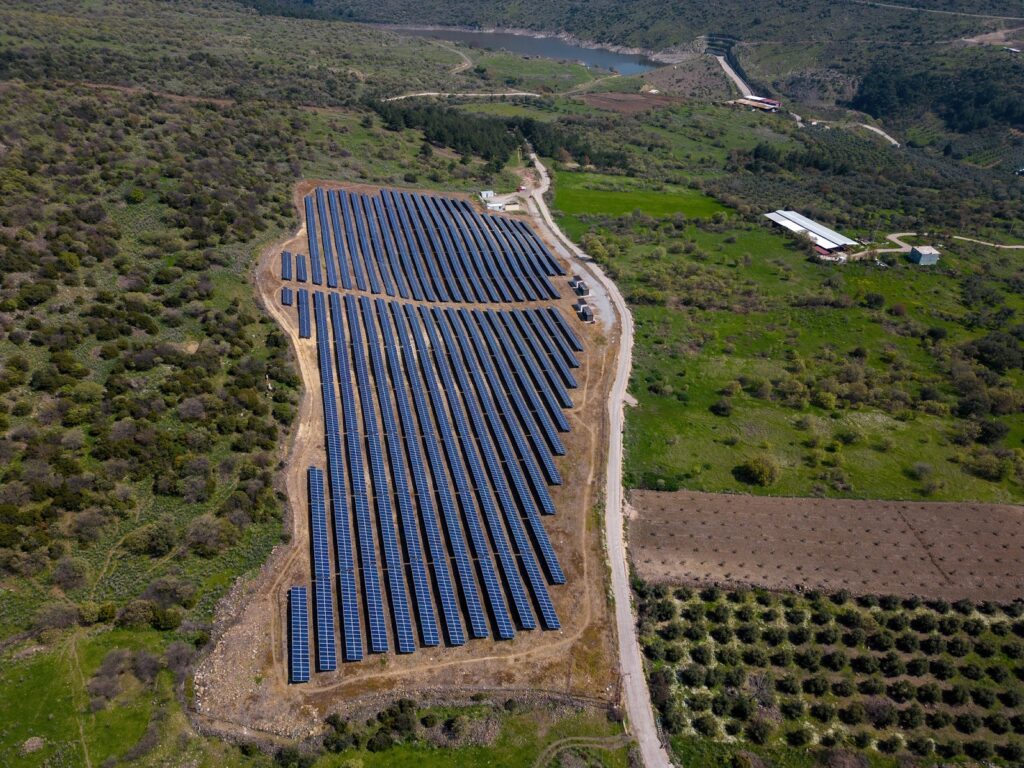
At Shasta Power, our approach focuses on the early-stage development phase where substantial value creation occurs. Rather than acquiring operational projects, we identify promising sites and shepherd them through development to shovel-ready status before selling to operators.
Our project evaluation begins with rigorous site selection. We assess solar resource data using multi-year irradiance measurements validated by independent engineers. We evaluate grid access by examining transmission infrastructure, interconnection queue positions, and likely upgrade costs. We analyze permitting likelihood by reviewing local zoning, environmental constraints, and community attitudes.
The development process emphasizes securing key milestones that transform conceptual projects into valuable, de-risked assets—obtaining land control, filing interconnection applications, completing environmental assessments, engaging with local communities, and securing necessary permits.
We build projects to shovel-ready status—fully permitted, interconnection secured, and ready for construction—before exiting through sale to independent power producers. This approach captures development-phase value while transferring construction and operational responsibilities to parties with expertise in those phases.
Transparency remains central to our investor communications. We provide clear information about project status, communicate realistic timelines, discuss risks openly, and support projections with third-party technical assessments and independent engineering reports.
Conclusion
Evaluating renewable energy projects requires understanding multiple interconnected factors—lifecycle stage, financial metrics, technical characteristics, regulatory status, and risk factors. No single metric tells the complete story. A project with attractive projected returns means little if resource assessment is weak or permits are incomplete.
The key to successful evaluation is asking questions, verifying claims with independent sources, and understanding exactly what you’re investing in before committing capital. What stage is the project in? What remains to be accomplished? Who is responsible for execution? What could go wrong? How are risks being managed?
Thorough due diligence, realistic assumptions, and careful evaluation significantly improve investment outcomes by helping investors select projects with solid fundamentals and competent teams. If you’re ready to learn how Shasta Power’s development approach creates value in utility-scale solar while managing risk through rigorous evaluation and execution, connect with us to explore investment opportunities in renewable energy project development.