



POSTED
June 7, 2024
Utility-Scale Solar vs Commercial Rooftop Solar: What’s the Best Way to Invest in Solar Energy?

In the world of renewable energy investments, more ESG investors are looking for ways to make money while also helping the environment. Solar power is a top choice in this shift toward cleaner energy. When it comes to investing in solar, there’s a big question: should you invest in utility-scale solar or commercial rooftop solar? […]

In the world of renewable energy investments, more ESG investors are looking for ways to make money while also helping the environment. Solar power is a top choice in this shift toward cleaner energy. When it comes to investing in solar, there’s a big question: should you invest in utility-scale solar or commercial rooftop solar? In this article, we’ll discuss both options, focusing on what’s important to investors. We’ll help you understand the best choice for your portfolio by comparing utility-scale solar with commercial rooftop solar. Our goal is to show you how you can make money and make a difference in the renewable energy sector.
Let’s dive in and explore how solar investments can bring financial success and environmental benefits.
Utility-Scale Solar Farms: Unraveling the Mechanics of Modern Investment Giants
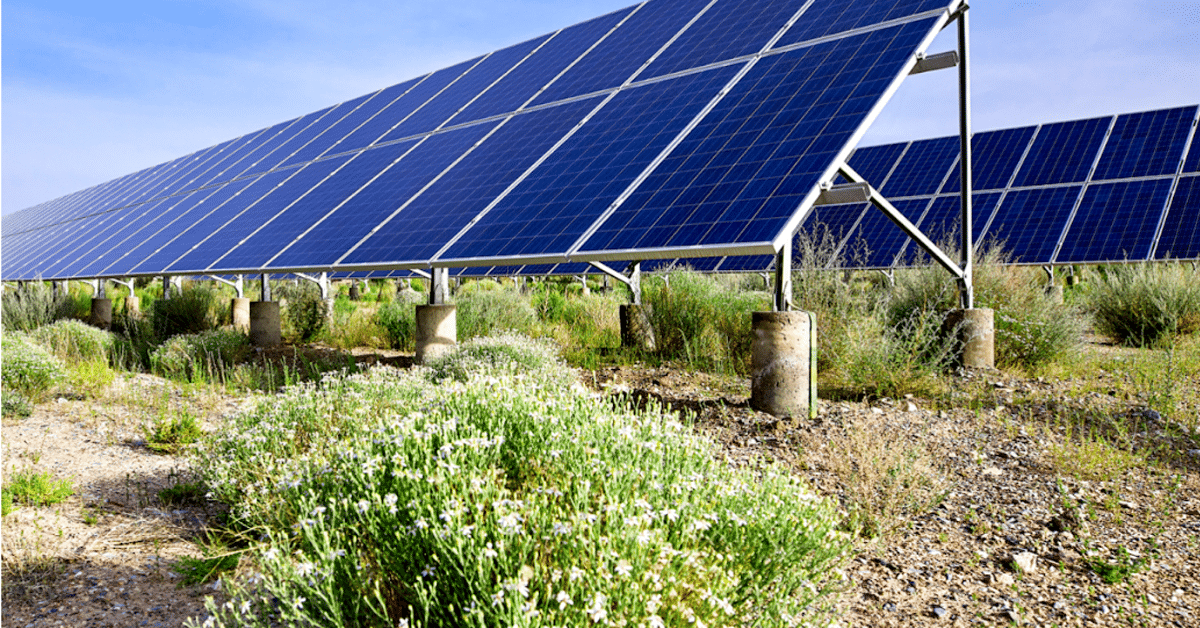
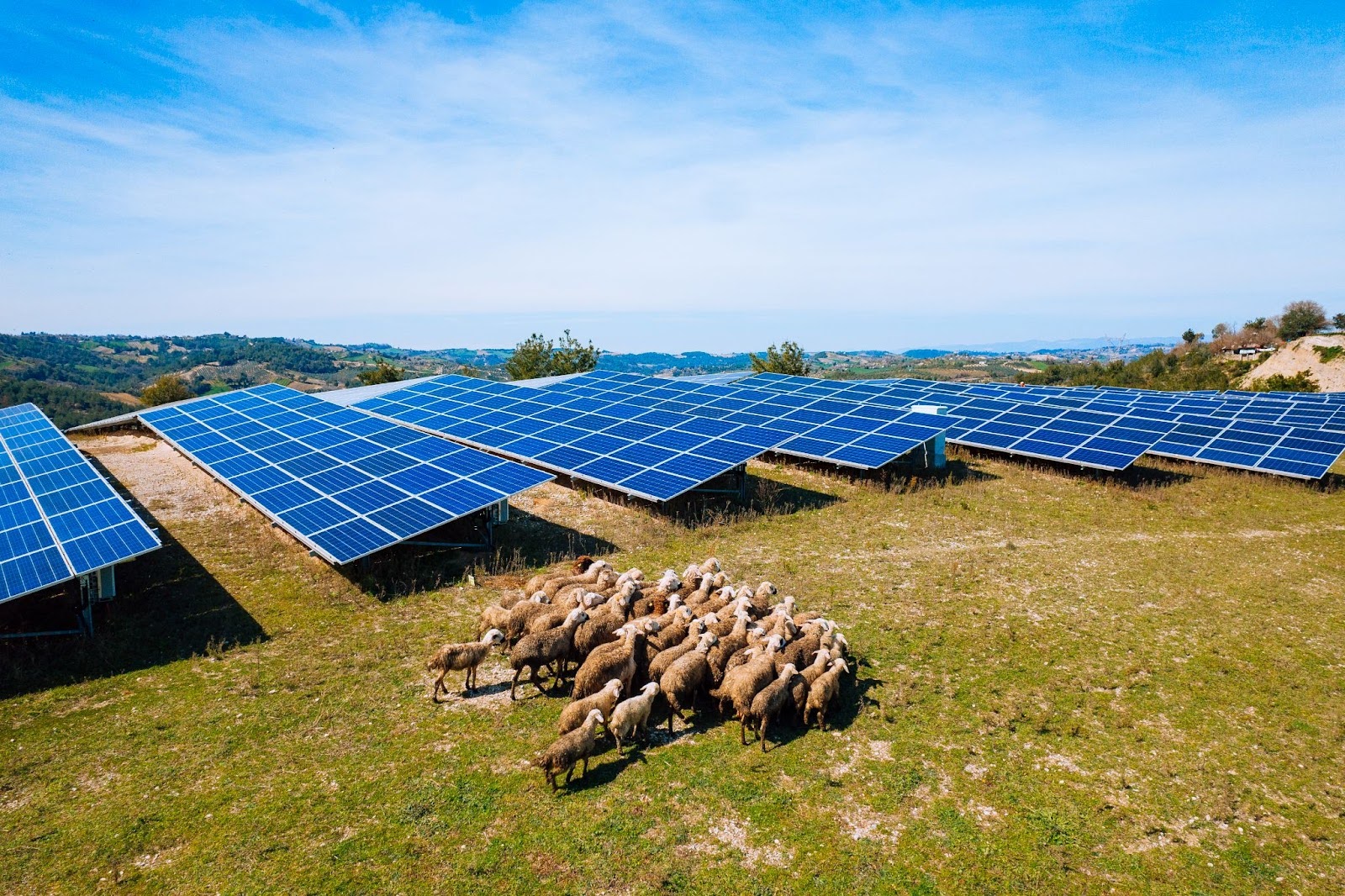
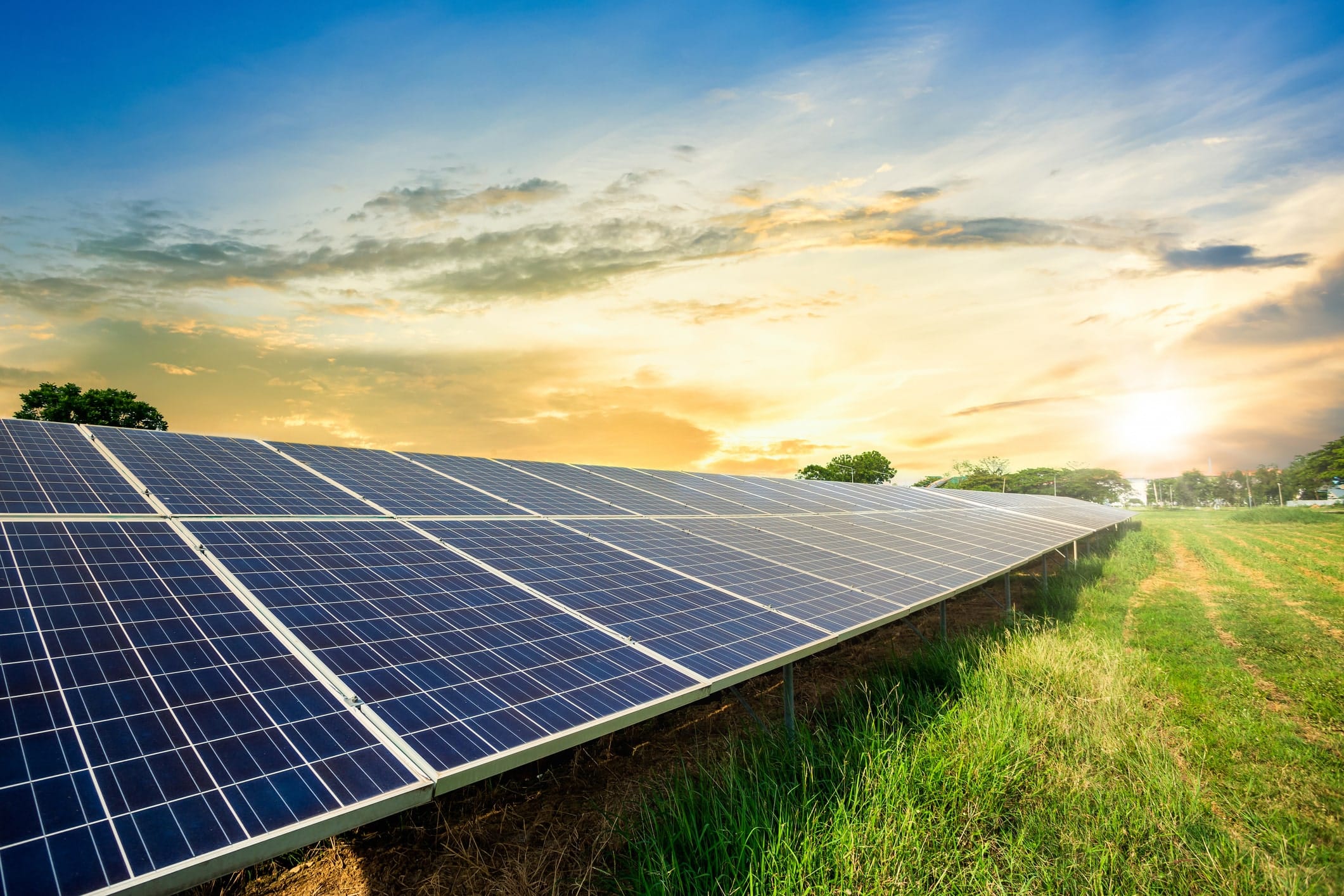
When we talk about utility-scale solar farms, we’re talking about large solar farms that produce energy for the utility grid, not just a single residence. Picture vast stretches of land covered in solar panels, soaking in sunlight and turning it into power. These farms are not just big; they’re also packed with cutting-edge technology to make them work efficiently.
These massive solar farms are crucial for providing clean energy to many communities. By connecting directly to the energy grid, they ensure that people have a steady and reliable power source.
Utility-scale solar projects offer investors a chance to make a profit while also doing some good for the planet. Solar farms help the environment by reducing our reliance on fossil fuels and reducing harmful emissions, which appeals to investors who focus on making an impact.

Commercial Rooftop Solar: Pioneering Energy Sustainability at the Microcosmic Level
Commercial rooftop solar systems are a smart way to use the sun’s energy on a smaller scale but with big benefits. Unlike large solar farms that cover fields, these systems are installed on roofs of buildings, like stores and schools, making use of space that’s usually empty.
Commercial rooftop solar is adaptable and affordable. By using existing rooftops, these systems save land and produce significant amounts of electricity. This not only helps the environment, but also helps businesses save money on their energy bills.
When considering investing in commercial rooftop solar, it’s important to take financial factors into account. This includes calculating how much money you can make from selling electricity or renting out the space for solar panels. Tax breaks also make commercial rooftop solar an even more appealing option for investors. Incorporating commercial rooftop solar into an investment portfolio can diversify risks while promoting clean energy.
Commercial rooftop solar also has significant benefits for the environment and communities. By using solar power, businesses can cut down on pollution and help fight climate change. And by supporting local businesses that use solar energy, communities can become more resilient and economically strong. Imagine a neighborhood where businesses not only do well but also help make the world a cleaner, better place. That’s the power of commercial rooftop solar, making a difference one roof at a time.
Comparing Investment Considerations: The Art of Strategic Decision-Making
When it comes to investing in solar energy, it’s crucial to consider what you want to get out of your investment. Some investors are primarily focused on making money, while others are more concerned with creating a positive environmental impact. By understanding your priorities, you can select the investment that aligns with your goals.
The first step is to create a clear plan. Begin by considering how much money you would like to make, how long you’re willing to wait, and how much risk you’re comfortable with. The answers to these questions will help you choose between investing in big solar farms or smaller commercial rooftop projects.
Big solar projects, like utility-scale solar, can create abundant energy and have the potential to be quite profitable. However, investors will be waiting around 5 years to see their profit and they often require a higher level of investment upfront. Smaller projects, like commercial rooftop solar, can be easier to manage and may be a better option for local businesses. They may not make as much money, yet they still continue to benefit the environment.
It’s also important to consider the impact on the environment and your local community. Big solar projects can reduce pollution and provide clean energy for large numbers of residences and businesses, but they require a large plot of land. Rooftop solar can directly benefit local businesses and neighborhoods by using existing rooftop real estate, while having a smaller environmental impact due to the smaller scale of energy production.
Considering all these aspects empowers investors to make wise decisions that are not only beneficial for their own interests but also for the well-being of the planet. Whether it’s big solar farms or smaller rooftop projects, the goal is to make money while making a positive impact on the environment.

The Case for Utility-Scale Solar: Maximizing Energy Returns and Impact
Utility-scale solar is a top choice for investors who not only want to make money off their investments, but also want to make an impact on the current climate crisis.
- Significant Energy Production: Utility-scale solar projects use large installations to capture sunlight and turn it into power efficiently that can power whole communities.
- Hands-Off Investing: When you invest in utility-scale solar through a company like Shasta Power, you simply invest and then let the team get to work sourcing land and setting up the solar farms.
- Managed by Pros: These projects are run by experts who make sure everything runs smoothly. This reduces risks and makes utility-scale solar investments even more appealing to investors. With professionals in charge, investors can feel confident about their investments.
- Many Options: Investors can spread out their money across different utility-scale solar projects to reduce risks even further. By investing in projects in different locales, they can take advantage of opportunities in different markets.
- Big Impact: Utility-scale solar doesn’t just make money; it also helps the planet. By replacing fossil fuels and cutting down on pollution, solar projects play a big role in fighting climate change and making the world cleaner and safer for everyone.
- Rewards for Investors: Impact investors love helping the planet, especially when there is a high potential of return on their investment. It’s possible to make money and do good things at the same time by investing in solar energy.
Conclusion: Forging a Path Towards Sustainable Prosperity
After weighing the options between big solar projects and smaller rooftop ones, we’ve learned a lot about renewable energy investments. Big solar projects, like utility-scale solar, have the potential to create significant financial returns and help the planet on a global scale. Alternatively, rooftop solar can directly benefit local businesses and communities directly.
As you consider your investment options, it’s clear that the choice isn’t just about making money. It’s about balancing financial considerations with the potential impact you could have on the environment. Investors, whether they’re individuals or groups focused on sustainability, have the power to make smart decisions about where to invest their money in renewable energy.
At Shasta Power, we see a future where making money and helping the planet go hand in hand. By investing in solar energy, we can create a world where clean energy powers thriving communities and protects our planet for years to come. If you are interested in investing in utility-grade solar, explore Shasta Power’s Summit Power Fund.
Whether it’s through big solar farms or smaller rooftop projects, we can work together to build a brighter future. Every investment we make in solar energy brings us one step closer to a cleaner, more sustainable world for everyone.


The first step is to learn ohm’s law
Cuz solar and micro power can only put in about 15% of the Watts
Wind is about 10% because it needs power to produce power I digress
but everybody wants 100% credit
So who gets to pay for the greater than 85% of the unavailable power
And there’s some fun science fair test that you can do to prove this
Ohm’s law teaches us electricity is like water believe it or not
So you must overcome the incoming pressures meaning line voltage to put anything in
Some simple tests if you have a volt amp meter 4th grade math not that hard to figure out the ignorance of it all