
POSTED
March 21, 2025
Who Can Invest in Solar Farms?

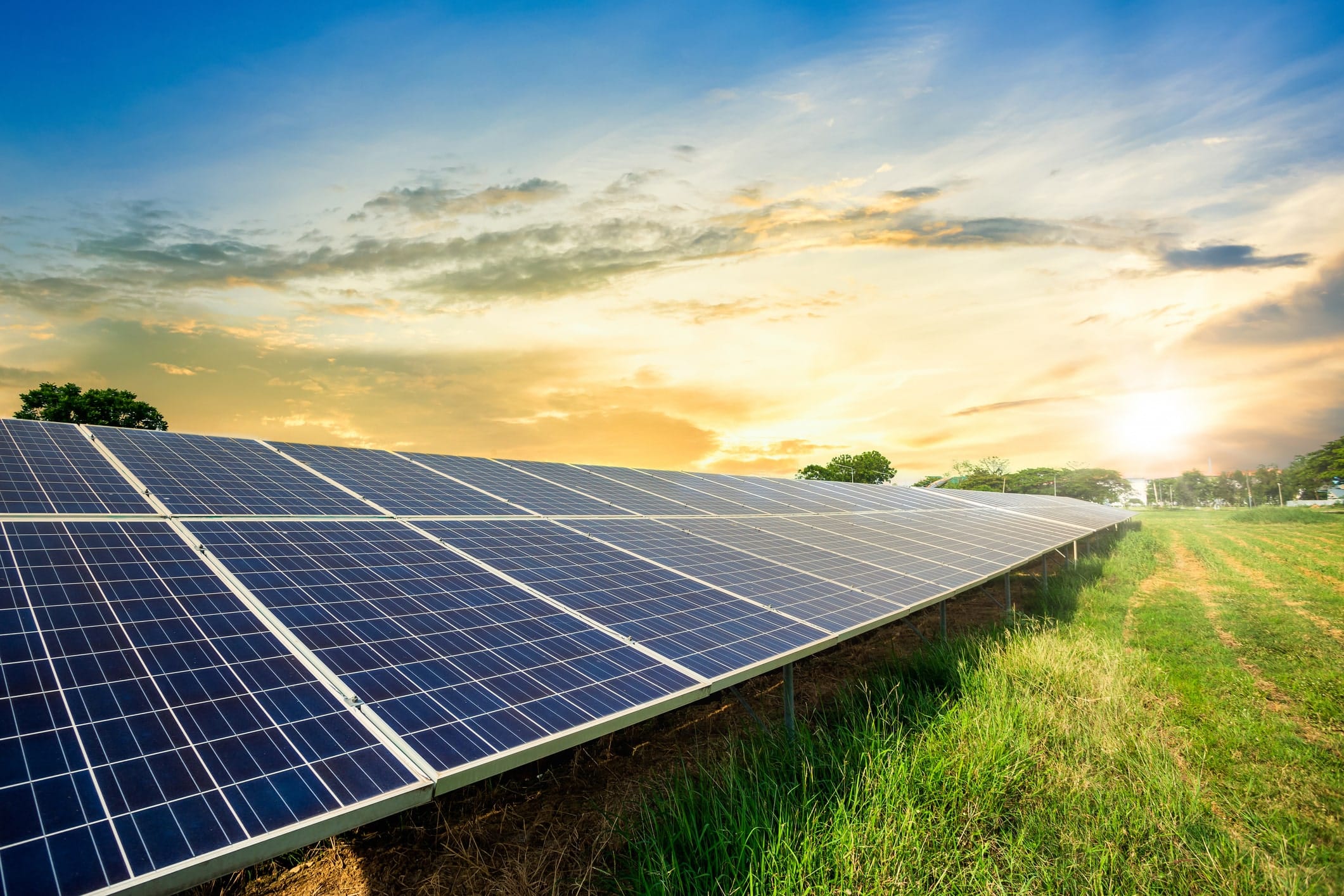
Solar energy is shaping the future of power. As demand for clean energy grows, investors have a chance to support a movement that cuts dependence on fossil fuels while delivering strong financial returns.
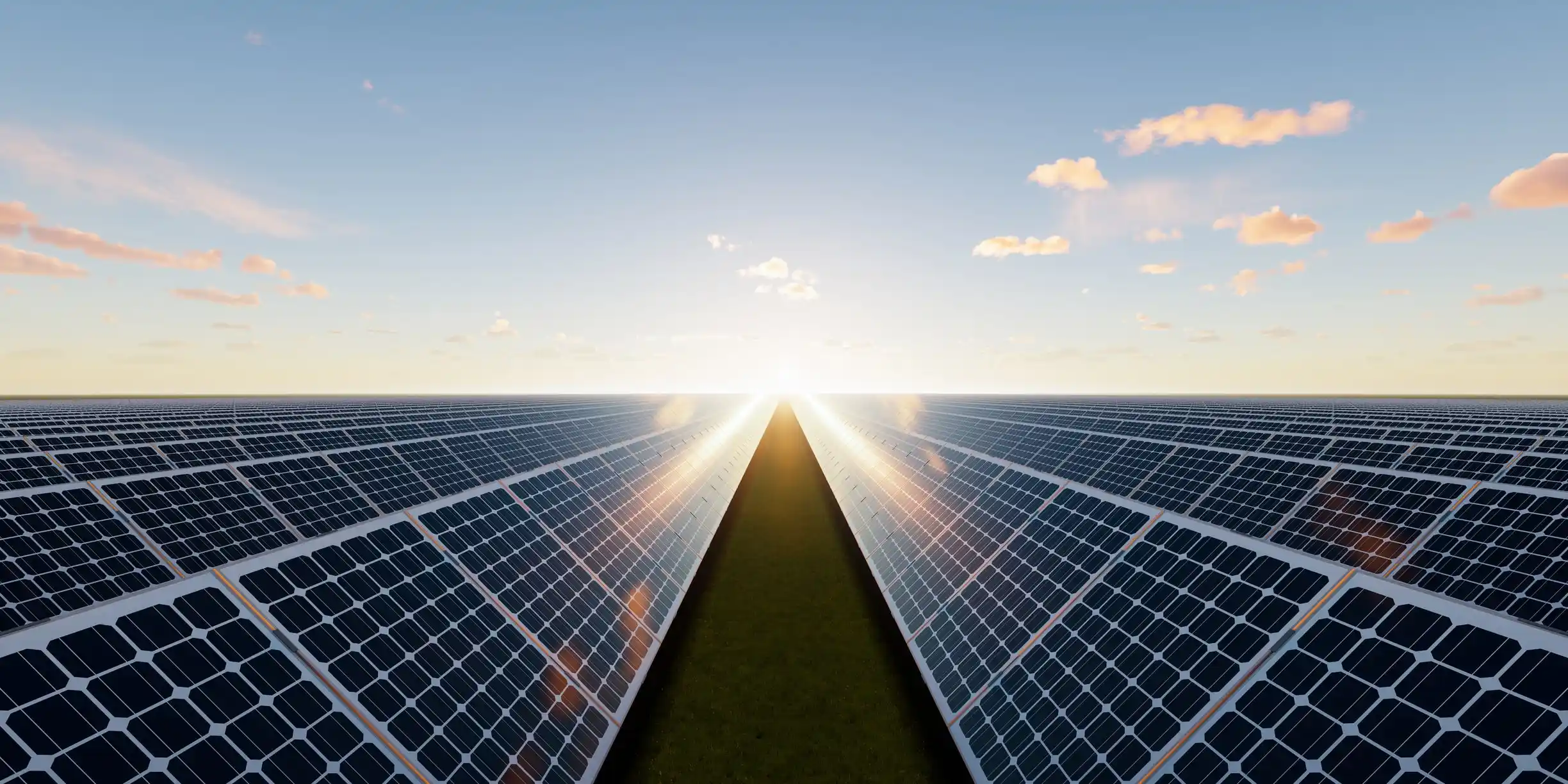
For years, large institutions and private equity firms dominated solar farm investments. That’s changing. More investors are getting involved, seeking opportunities that align profits with sustainability. Whether through direct ownership, investment funds, or land partnerships, individuals and businesses now have more ways to take part in large-scale solar development.
Individual Investors: Accredited and Non-Accredited (Retail)
Investors fall into two categories: accredited and non-accredited (often called retail investors). These classifications shape access to investment opportunities, particularly in private markets.
Accredited Investors
Accredited investors meet financial thresholds set by the SEC. To qualify, an individual must either:
- Earn more than $200,000 annually ($300,000 for joint filers) for the past two years, with expectations of maintaining that income level.
- Have a net worth exceeding $1 million, excluding their primary residence.
Because of their financial standing, accredited investors can put money into private equity, venture capital, and exclusive investment funds that aren’t available to the general public. These opportunities often involve higher risks but offer the potential for greater returns.

Non-Accredited (Retail) Investors
Most individual investors fall into this category. While they have access to publicly traded stocks, mutual funds, and ETFs, many private investments remain off-limits due to SEC regulations—however, some funds structure investment options to accommodate retail investors.
Shasta Power, for example, has designed our newly proposed funds to include those who don’t meet accreditation standards. This approach broadens participation in solar energy projects, creating financial opportunities while supporting sustainability efforts.
Private Equity and Institutional Investors
Solar energy has become a prime target for large investors looking for stability and long-term growth. Private equity firms and institutional investors see utility-scale solar projects as reliable assets with predictable returns.
Private Equity Firms and Solar Investments
Private equity firms play a major role in financing large-scale renewable energy projects. These firms acquire, develop, and manage solar farms, treating them as infrastructure investments with long-term value. Solar energy’s stable returns and growing demand make it appealing, fitting well into private equity portfolios focused on sustainable and profitable ventures.
Institutional Investors and Solar Energy
Institutional investors (pension funds, insurance companies, and endowments) like solar farms for their steady returns. Power Purchase Agreements (PPAs) lock in predictable cash flow, making these investments a hedge against market swings. With energy demand rising, solar offers a way to participate in the market’s growth while maintaining financial stability.
Landowners Looking for Additional Income

Landowners seeking to generate additional revenue may find solar development an attractive opportunity. Whether through leasing or selling, partnering with a solar developer can provide financial benefits while contributing to the expansion of renewable energy.
Leasing Land for Solar
Leasing land to a solar developer offers a long-term, passive income stream without requiring active management. The land remains under the owner’s control, while the developer is responsible for installation and maintenance. Lease payments vary based on factors like proximity to electrical infrastructure, regional energy demand, and land suitability. Areas with strong solar potential and easy grid access often obtain higher lease rates.
Lease agreements typically range from 20 to 30 years, providing predictable long-term revenue. Compared to agricultural or commercial leases, solar leases require minimal involvement from the landowner, making them a convenient option for those looking to generate consistent income with minimal oversight.
Selling Land for Solar
Landowners who want an immediate financial return can sell land for solar development, receiving a lump-sum payment that they can reinvest. Developers purchase land outright, converting it into a renewable energy site. This option is suited for landowners looking to liquidate assets, reinvest funds, or transition away from property ownership.
Benefits of Solar Development
Leasing or selling land for solar projects allows landowners to maximize the value of their underutilized property while contributing to the expansion of renewable energy.
Shasta Power’s Role in Solar Power Investing
Shasta Power is at the forefront of solar power investing, specializing in acquiring and developing utility-scale solar farms. Private investment fuels these projects, giving investors a direct stake in the clean energy transition.
The process starts with identifying land that meets key criteria (strong solar potential, viable permitting pathways, and access to the grid). Once a site is secured through purchase or lease, Shasta Power manages every phase, from permitting to engineering and construction. Each project is designed for long-term financial performance while maintaining a responsible environmental footprint. Due to the sensitive nature of the transactions, substantiation of our track record claims is available upon request after executing a non-disclosure agreement.
Shasta’s funds target an annualized IRR of 12% over the fund’s 5-7 year lifetime. Investing is straightforward: simply create an account, verify eligibility, sign the subscription agreement, and wire funds. The upcoming SPF II fund is expected to launch in 2025.
Investing in solar farms isn’t just for big institutions anymore. With more options available, individual investors, private equity firms, and even landowners can take part in the renewable energy movement. Solar offers a compelling opportunity, whether you’re looking for long-term growth, steady income, or a way to align your portfolio with sustainability.
Shasta Power simplifies the process, making it easier to invest in utility-scale solar projects. The shift to clean energy is well underway, and now’s the time to get involved.
Ready to Invest in a Better Future?
At Shasta Power, we’re not just building solar farms—we’re building a movement. Shasta Power Fund II is your opportunity to join a growing community of investors working to phase out fossil fuels, empower local communities, and create long-term financial and environmental returns.
By joining the waitlist, you’ll be the first to know when our new fund opens—and you may qualify for early investor incentives if and when the offering is qualified.
Join the Waitlist Today
People-powered prosperity starts with you.